
Article
Comptroller: 21 police and fire retirees got pensions without required honorable-service reviews
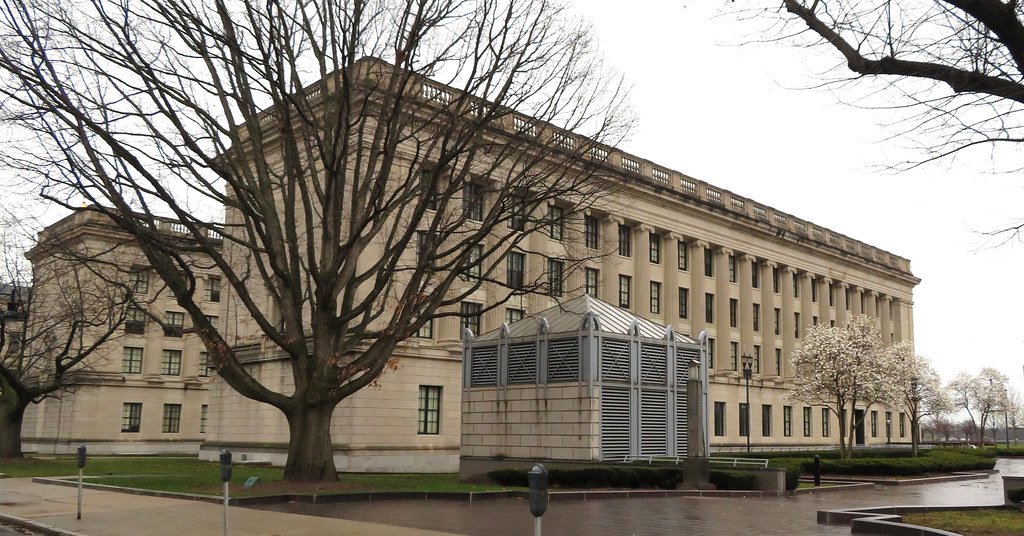
An Office of the State Comptroller investigation issued Jan. 14, 2026, found systemic gaps that let misconduct-tainted PFRS members collect benefits without timely “honorable service” reviews — against a backdrop of more than $4.4 billion in unfunded PFRS liability.
TRENTON — The Office of the State Comptroller reported on Jan. 14, 2026, that systemic weaknesses in the Police and Firemen’s Retirement System of New Jersey (PFRSNJ) allowed 21 members with records of misconduct to retire with pension benefits without undergoing required honorable service reviews when those reviews should have occurred.
The investigation report, Hidden in Plain Sight: Systemic Weaknesses Risk Integrity of Police & Firemen’s Pension System, and OSC’s news release state that OSC started from publicly available information and identified almost 60 PFRS members with misconduct records receiving benefits; 21 of those had never received honorable-service reviews before awards even though reviews were appropriate. After OSC flagged them, almost all had received reviews as of Jan. 1, 2026, but the pension board imposed partial forfeiture on only three, OSC said.
Acting State Comptroller Kevin Walsh said in the release: “These findings expose a serious gap in efforts to protect underfunded pension funds and deter misconduct by law enforcement officers. Our laws demand that public employees act honorably as a condition of receiving their pensions. These 21 former officers are the ones we found. We don’t know how many are out there who committed misconduct and are getting full pensions simply because no one told the pension board what they did wrong.”
Additional findings (OSC)
OSC’s release and report summarize:
- Local certifying officers often failed to report necessary misconduct details because of role confusion.
- Some agencies used settlement agreements that obscured or altered facts relevant to honorable service.
- The board sometimes treated retirements in “good standing” as weighing in favor of members even amid serious misconduct examples OSC catalogued (the report discusses categories including criminal charges and court-ordered job forfeitures; one member retired while facing child pornography charges and was later convicted, OSC said).
- Even with full information, board decisions sometimes appeared inconsistent, allowing serious misconduct cases to result in full or minimal forfeiture.
- The pension system faces monetary and non-monetary costs from these weaknesses, “exacerbating an already unfunded liability of over $4.4 billion.”
OSC made 15 recommendations, including mandatory self-reporting of disciplinary actions by retiring members, enhanced training for certifying officers, and legislative reforms, and said it is referring certain matters to the Office of Attorney Ethics and the Attorney General as necessary.